When we think about wellness in a space, we often think about what we can see.
Natural materials.
Indoor plants.
Large windows.
Soft colours.
Comfortable furniture.
Beautiful lighting.
Open spaces.
These elements matter. But wellness design goes much deeper than aesthetics.
A truly wellness-oriented space is designed around how people sleep, breathe, move, recover, concentrate, connect and feel within that environment.
Some of the most important wellness features may never be noticed consciously.
They simply make the space work better for the human body.
That is where wellness design becomes particularly powerful.
Two Bedrooms. Almost Identical. Completely Different Experiences.
Imagine two bedrooms.
Both are beautiful.
Both have high-quality beds, elegant lighting, carefully selected finishes and a sophisticated interior design.
At first glance, there may be very little difference between them.
But look closer.
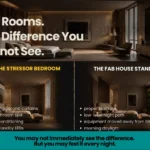
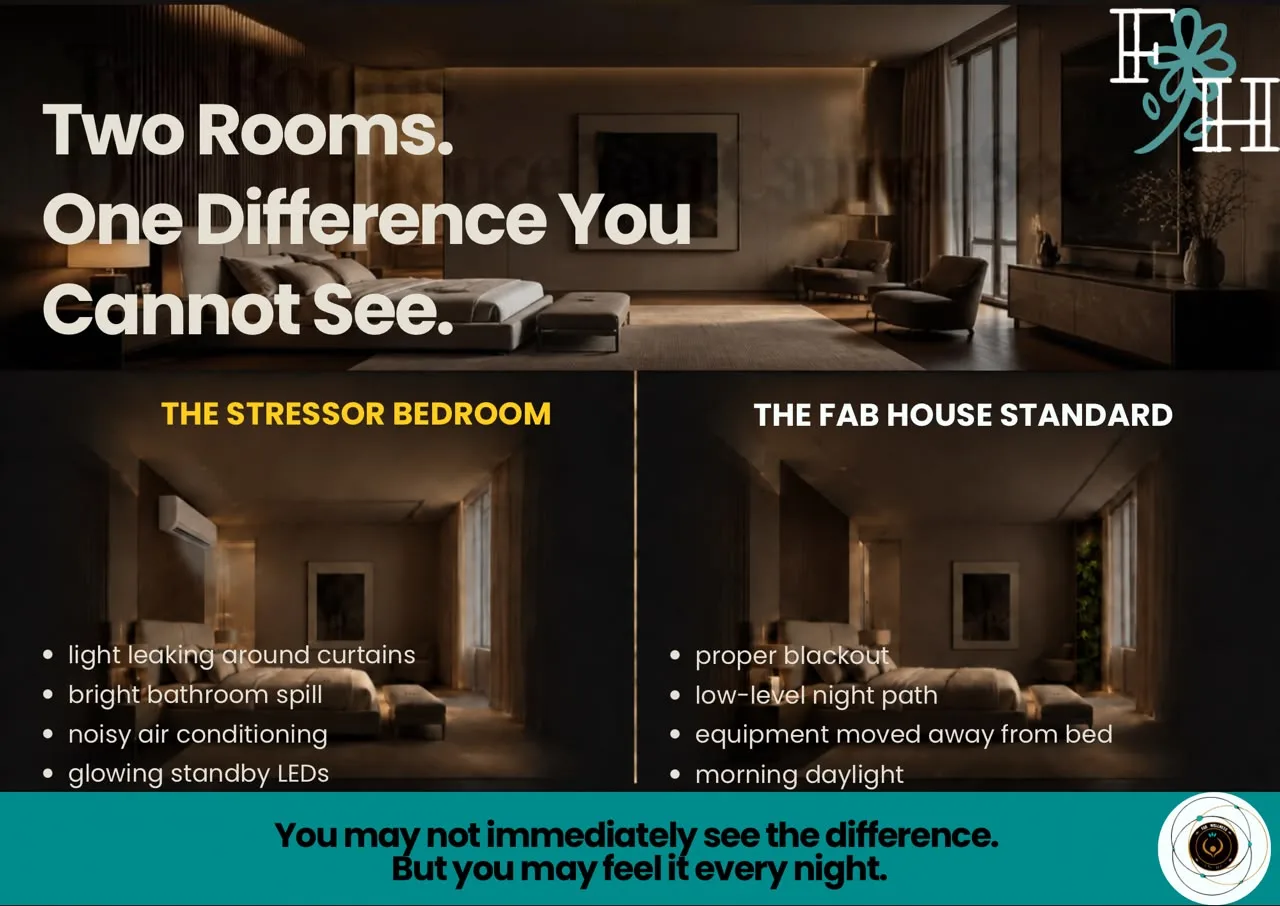
In the first bedroom, the bathroom light spills into the sleeping area at night. The air-conditioning unit creates a constant background hum. A plumbing riser runs directly behind the headboard. Curtains allow light to enter around their edges. Electronic devices produce small but persistent standby lights.
Nothing appears dramatically wrong.
But these small details can affect the experience of the person using the room.
Now imagine the second bedroom.
The mechanical equipment has been positioned away from the bed. The room can become properly dark at night. Low-level lighting provides enough illumination to move safely to the bathroom without activating a bright ceiling light. Temperature can be adjusted according to individual comfort. Morning daylight enters the room gradually, supporting a more natural transition from sleep to wakefulness.
The rooms may look almost identical.
But they perform differently.
And that difference can be felt.
The Difference Between Looking Well and Performing Well
This is one of the most important principles of wellness design:
A space can look healthy without actually supporting health and wellbeing.
A beautiful bedroom does not automatically provide good sleep.
A gym does not automatically encourage healthy movement.
A spa does not automatically create recovery.
An office with plants does not automatically support employee wellbeing.
A hotel room with natural materials does not automatically provide restorative rest.
The real question is:
How does the environment perform for the person using it?
Wellness design considers the relationship between the built environment and the human experience.
It asks questions such as:
- How does the space support sleep?
- How does it manage natural and artificial light?
- How comfortable is the temperature?
- What sounds are present, and where do they come from?
- Is fresh air effectively introduced and circulated?
- Can people move through the space comfortably?
- Does the environment encourage relaxation or overstimulation?
- Can users control important aspects of their environment?
- Does the layout support privacy, connection and psychological comfort?
- How does the space help people transition between activity and rest?
These questions move wellness design beyond decoration and into performance.
Wellness Is in the Details We Don’t Always See
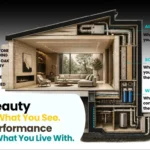
Some of the most influential design decisions happen behind walls, above ceilings, beneath floors or within technical systems.
Mechanical systems influence sound and temperature.
Lighting design influences how a space feels at different times of the day.
Acoustic planning influences concentration, privacy and rest.
Ventilation and indoor air quality influence the quality of the environment people breathe.
Window orientation and shading influence daylight, glare and thermal comfort.
Material selection can influence acoustics, maintenance, sensory experience and indoor environmental quality.
Spatial planning influences movement, accessibility, privacy and social interaction.
Technology can either support wellbeing or become another source of stimulation and interruption.
These elements may not appear in photographs of the finished space.
But they are part of the experience.
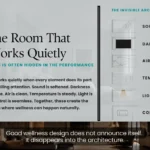
Good wellness design works quietly.
Designing for the Human Experience
At Fab House, we believe wellness should not be added to a space as an afterthought.
It should be considered from the beginning.
This means bringing together an understanding of wellness with the principles of architecture, interior design, environmental performance and human behavior.
The goal is not simply to create spaces that look impressive.
It is to create environments that support the people who use them.
For a bedroom, that may mean prioritizing restorative sleep.
For a workplace, it may mean supporting concentration, movement, recovery and meaningful interaction.
For a hotel, it may mean designing the guest journey around rest, comfort and restoration.
For a wellness centre, it may mean ensuring that every part of the experience — from arrival to treatment to recovery — contributes to the user’s sense of wellbeing.
For a school, it may mean creating environments that support children’s physical, emotional and cognitive needs.
The application changes.
The principle remains the same:
Design the environment around the human experience.
The Five Senses Matter
Wellness is also experienced through the senses.
Sight
Light, colour, views, visual clutter and connection to nature can all influence how a space is experienced.
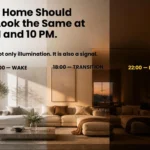
Good design considers not only how a space looks during the day, but how it transitions into evening and night.
Sound
A beautiful room can become uncomfortable if it is constantly exposed to unwanted noise.
Acoustic performance is therefore an important part of wellness design — particularly in bedrooms, healthcare environments, hospitality spaces, offices and places designed for recovery.
Touch
Materials contribute to the sensory experience of a space.
The texture of a floor, fabric, wall finish, furniture or bedding can influence how an environment feels physically and emotionally.
Smell
Air quality and scent are often overlooked in interior design.
Unwanted odours, poor ventilation or excessive fragrance can negatively affect the experience of a space. Wellness-focused environments should consider how air and scent contribute to comfort.
Temperature and Physical Comfort
Thermal comfort is another invisible component of wellness.
A space may look perfect, but if it is consistently too hot, too cold or difficult to control, the experience can quickly become uncomfortable.
Wellness design therefore considers not only the visual environment but the complete sensory environment.
The Role of Nature
Biophilic design is increasingly associated with wellness, but bringing nature into a space is more than adding a few plants.
Natural daylight, views of greenery, natural materials, organic forms, access to outdoor spaces and opportunities to experience changing natural conditions can all contribute to a stronger relationship between people and their environment.
The important question is not simply:
“Where can we put a plant?”
It is:
“How can this environment create a meaningful connection with nature?”
That might involve the orientation of a building, the placement of windows, landscape design, outdoor spaces, materials, daylight strategies or the way people move through the building.
Wellness Design Starts Before the Interior Is Finished
One of the biggest opportunities in wellness design is to consider wellbeing before construction or renovation decisions have been finalised.
Once walls have been built and mechanical systems installed, changing certain features can become expensive or impractical.
Early consideration allows designers, developers, architects, facility managers and wellness professionals to think together about:
- Space planning
- Lighting
- Acoustics
- Air quality and ventilation
- Thermal comfort
- Natural daylight
- Material selection
- Movement and accessibility
- Privacy
- Rest and recovery
- Technology
- Connection to nature
- User experience
- Operational requirements
This creates an opportunity to embed wellness into the infrastructure of the space rather than simply adding wellness products or services after completion.
From Wellness Features to Wellness Performance
There is an important distinction between having wellness features and creating a wellness-performing environment.
A building may have a gym.
But does it encourage people to use it?
A hotel may have a spa.
But does the overall guest journey support recovery?
An office may have standing desks.
But does the workplace culture and environment encourage movement?
A bedroom may have blackout curtains.
But are there other sources of light or noise disrupting sleep?
A school may have a sports field.
But are children also supported through nutrition, mental wellbeing, movement education and healthy daily routines?
Wellness is therefore not a single product, room or facility.
It is a system.
A More Human Approach to Design
The future of wellness design is not necessarily about making spaces look more “wellness-oriented.”
It is about making them work better for people.
This requires collaboration between different disciplines.
Architects understand space and structure.
Interior designers understand materials, aesthetics and user experience.
Engineers understand building systems and environmental performance.
Healthcare and wellness professionals understand human wellbeing.
Facility managers understand how spaces perform over time.
When these perspectives come together, wellness can become part of the DNA of a space.
Designing What People Feel
The most successful wellness environments may not be the ones that immediately announce themselves as wellness spaces.
They may simply feel:
Calmer.
Quieter.
More comfortable.
More restorative.
More intuitive.
More connected.
More human.
That is the power of performance-led wellness design.
You may not notice every decision that was made.
You may not know where the mechanical equipment is located or how the lighting system was configured.
You may never think about the acoustic strategy or the positioning of a ventilation system.
But you experience the result.
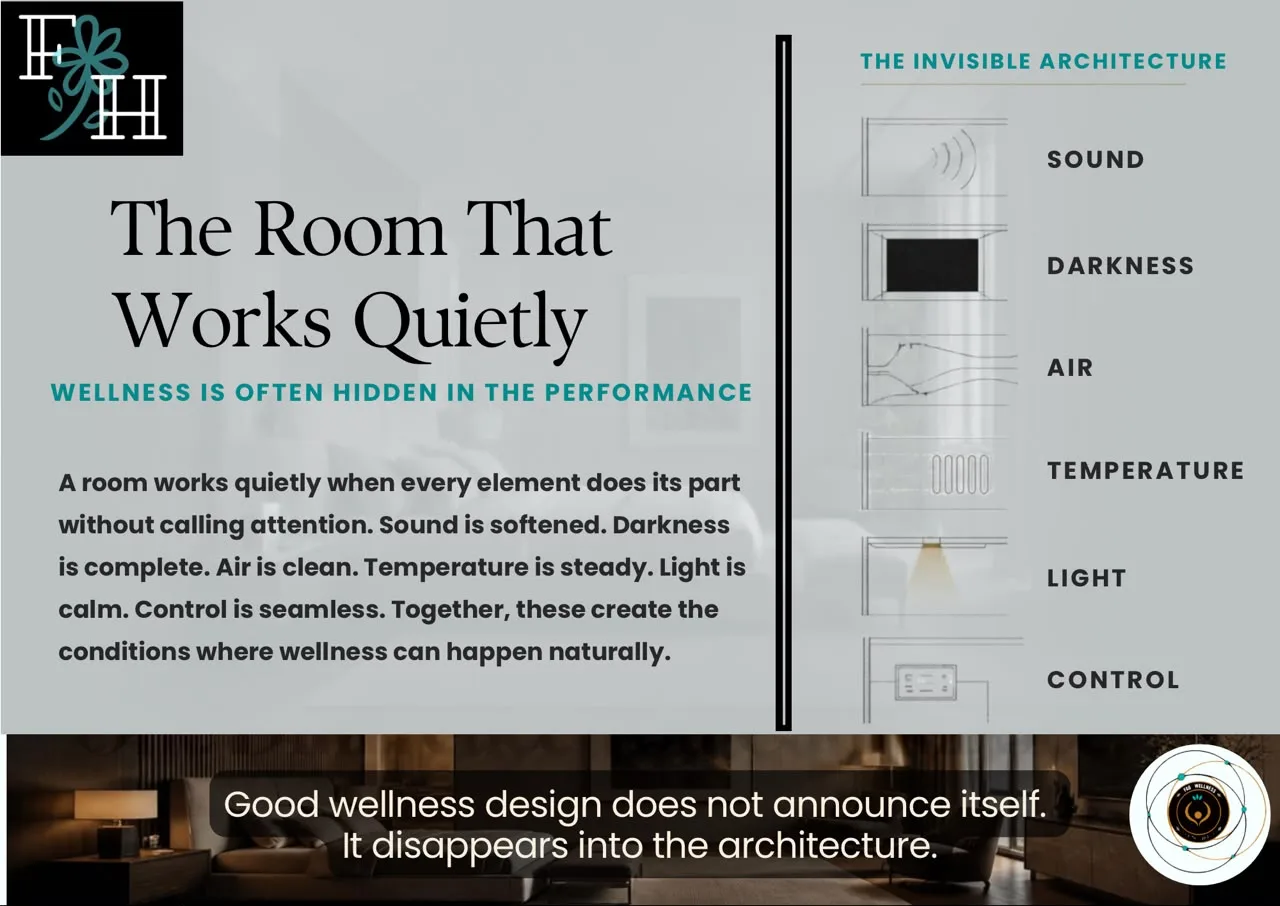
Wellness is often hidden in the performance.
And when design is done well, it works quietly — supporting the people who live, work, rest, recover and connect within the space.
Let’s Talk About Wellness Design
At Fab House, we are interested in moving the conversation around wellness from what a space looks like to how a space performs for people.
We work with organizations, property developers, hospitality businesses, institutions, architects, interior designers and other partners to explore opportunities to integrate wellness into the design, development and operation of spaces.
Whether you are designing a home, hotel, workplace, school, healthcare environment, wellness centre or other facility, wellness can be considered from the earliest planning stages through to implementation and ongoing management.
The question is not simply: “Does this space look well?”
The bigger question is: “Does this space help people feel and function well?”
That is where wellness design begins